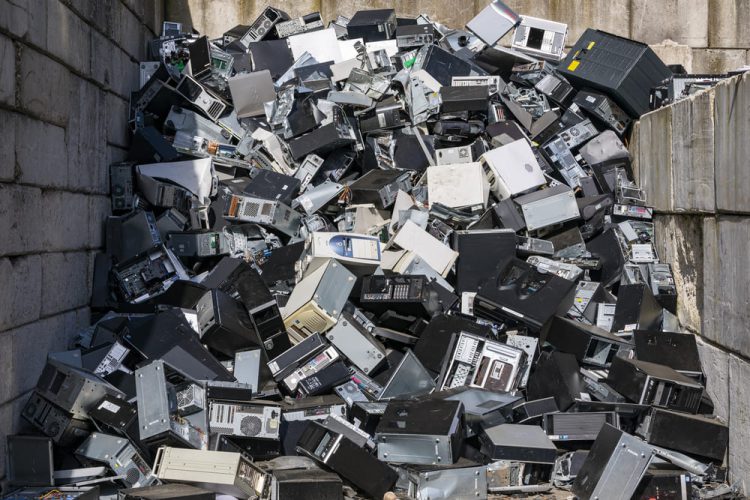
In a world where technology is developing at breakneck speed, the number of devices we use is also increasing rapidly. All these electronic devices have a limited lifespan. Once these devices have had their best days, they often end up as waste, where they contribute to the growing mountain of electronic waste, or e-waste. E-waste is currently one of the fastest-growing waste streams in the world. Nearly 54 million tonnes of electronic waste are produced worldwide every year, and this figure keeps rising. The big question is: how can we manage this?
The need for sustainable management of IT hardware is more urgent than ever. Old electronics contain valuable materials such as gold, silver, and copper, but also harmful substances that, if disposed of incorrectly, pollute the environment and can be harmful to our health. Sustainably managing IT equipment is therefore not only good for the environment, but can also help save costs and, in some cases, even reuse valuable components and raw materials. That’s why at Holland Recycling we buyback IT hardware and recycle it.
In this blog, we take a closer look at the challenges and opportunities surrounding e-waste and offer guidance for companies and organisations on managing their IT hardware more sustainably.
This topic is important for businesses, for the following reasons:
- Sustainability: Companies play a crucial role in reducing the mountain of e-waste. By managing IT hardware sustainably, they contribute to a better environment and reduce their ecological footprint. This is increasingly becoming a social and legal requirement.
- Cost savings: By using equipment for longer, maintaining it well, or opting for refurbished hardware, companies can save considerably. Reusing valuable components and materials can also reduce the need for expensive purchases of new equipment.
- Reputation: Sustainability is becoming increasingly important to customers, partners, and investors. Companies that manage IT hardware sustainably strengthen their image and show that they take corporate social responsibility seriously. This can contribute to a positive brand perception and even deliver a competitive advantage.
By embracing sustainable management of IT hardware, companies can not only reduce their environmental impact, but also gain financial and strategic advantages.
What’s the difference between reusing and recycling IT hardware?
Before we take a closer look at how companies can sustainably manage their IT hardware, it’s important to understand the difference between reuse and recycling. Although both options contribute to reducing e-waste, they aren’t the same and have different advantages and applications.
Reuse
Reuse means that IT hardware, such as computers, laptops, servers, and monitors, is put back into use without the equipment first being taken apart or dismantled. Instead of discarding these devices, they are cleaned, updated, repaired where necessary, and wiped of data so they can be used again. This can happen in various ways: within the company itself (by passing a device on to another department), through donation to other organisations, or by selling to parties specialised in refurbished IT equipment.
The reuse of IT hardware usually follows a number of key steps:
- Inventory and assessment: Companies start by taking stock of their existing equipment and assessing whether it’s still good enough for reuse. Technical performance, physical condition, and remaining lifespan are checked.
- Cleaning and repair: Equipment that’s still usable is cleaned and repaired if necessary. This can range from replacing a hard drive to upgrading the memory or installing new software to optimise performance.
- Data wiping: A crucial part of reuse is securely removing all business-sensitive data. This is done according to strict protocols, so the equipment can be redeployed without risk.
- Redeployment or distribution: After cleaning and checking, the hardware is sold as a refurbished product. This considerably extends the lifespan of the equipment and saves costs and raw materials.
Recycling
Recycling is the process by which old or broken IT hardware is processed into secondary raw materials. Unlike reuse, where the device as a whole gets a second life, recycling separates the individual materials, such as metals, plastics, and circuit boards, so they can be further refined. The new raw materials can then be used again to produce new products. Recycling is an important step in reducing the harmful impact of e-waste, as it prevents toxic substances, such as mercury and lead, from ending up in the environment.
Examples of IT hardware recycling:
- Recycling of laptops and computers: Discarded laptops and desktops are dismantled so that metals such as copper, aluminium, and gold can be recovered from parts such as circuit boards and components. These metals can then be reused in new electronics.
- Screens and monitors: When recycling monitors, harmful materials, such as mercury from LCD screens, are safely removed. Glass and metals from the screen and housing are reprocessed and recycled.
- Mobile phones: Old smartphones contain many valuable metals such as lithium, cobalt, and gold. Recycling phones helps recover these rare materials and reduces the need to mine new raw materials.
What are the pros and cons of reuse compared to recycling?
You now know the difference between reusing and recycling IT hardware, but what are the pros and cons?
Reuse
The advantages of reuse are:
- Lower environmental impact: Reuse requires less energy than recycling, because the device is kept intact as a whole. This means no intensive processing is needed to recover materials, which helps lower CO₂ emissions.
- Cost savings: For companies, reuse is often considerably cheaper than purchasing new equipment. Reuse can also generate extra profit if the devices are sold as refurbished products.
- Immediate deployability: Unlike recycling, where materials must first be reprocessed, reuse can be implemented faster. A well-maintained device can be redeployed immediately, saving time and resources.
- Long hardware lifespan: By reusing devices, the lifespan of IT hardware is extended. This leads to less waste and reduces the demand for new production, which ultimately lowers the pressure on raw materials and the impact on the environment.
- Reduction of e-waste: Reuse helps limit the volume of e-waste, because devices don’t immediately enter the waste stream. This contributes to a lower burden on landfills and processing centres.
The disadvantages of reuse are:
- Limited usability: Not all IT hardware is suitable for reuse. Outdated devices may no longer meet the company’s current technical requirements.
- Risk of lower performance: Older hardware may perform less well and be less energy-efficient than newer models, which can cause higher maintenance costs or loss of productivity.
- Data security risks: With reuse, care must be taken to ensure all data is wiped securely and thoroughly. If this isn’t done correctly, reusing equipment can pose a risk to the security of business data.
- Limited value recovery: Some components or materials have limited usability in reuse, whereas recycling may allow them to be recovered in full.
Recycling
The advantages of recycling are:
- Recovery of valuable materials: Recycling makes it possible to recover precious and rare materials such as gold, silver, copper, and lithium from IT hardware. This reduces the need to mine new raw materials, which is good for the environment and cost-efficient.
- Reduction of harmful substances: By recycling electronic waste, harmful substances such as mercury, lead, and cadmium are safely removed and processed. This prevents them from ending up in the environment and contributes to a healthier living environment.
- Promoting the circular economy: Recycling supports the circular economy, in which used materials are redeployed in production processes. This makes it possible to create a continuous cycle of raw materials and reduces dependence on new materials.
- Suitable for unusable equipment: Devices that can no longer be reused (for example due to serious damage or technical obsolescence) can still make a contribution through recycling. This gives even decommissioned equipment value.
- Less storage space needed: Unlike reuse, where devices often need to be temporarily stored for future deployment, recycling is a more direct solution for surplus hardware. This can help companies save space and storage costs.
The disadvantages of recycling are:
- High energy costs: Recycling IT hardware is an intensive process that requires a lot of energy, especially when processing metals and other materials. This often makes it more energy-intensive than reuse.
- Limited material recovery: Despite technological progress, it can be difficult to recover all materials in full. Some components remain unusable after processing.
- Lower value recovery: With recycling, only raw materials are recovered, while the value of the complete device is lost. Companies can’t generate income from reselling complete hardware.
- Less environmentally friendly than reuse: Due to the intensive processing, recycling has a larger ecological footprint than reuse. Emissions from processing materials are higher than from redeploying a device.
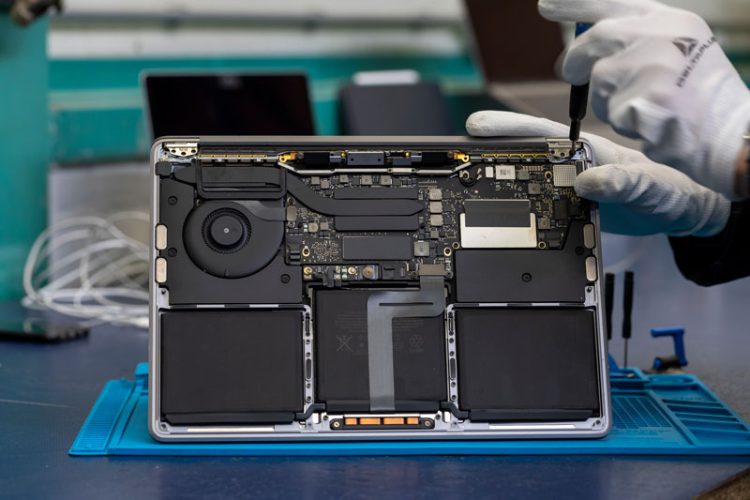
The importance of reusing IT hardware
Reusing IT hardware is essential for companies to reduce environmental impact, save costs, and achieve sustainability goals. By reusing hardware, the amount of electronic waste is limited and the consumption of raw materials is reduced, which contributes to a better environmental balance. This aligns well with the growing focus on Corporate Social Responsibility (CSR) and Environmental Social Governance (ESG). By choosing reuse, a company demonstrates its commitment to responsible business practices, which is both ethically and strategically advantageous.
Sustainability
Sustainability
Reusing IT hardware contributes significantly to sustainability and reduces a company’s ecological footprint. By choosing reuse, an organisation lowers its impact on the environment. This strengthens its image as a responsible and environmentally conscious player in the market.
Lifespan
An important goal of reuse is maximising the lifespan of IT equipment. By making optimal use of hardware before replacing it, there’s less frequent need for new equipment. This reduces demand for raw materials and lowers production pressure on the environment.
Electronic waste
Reusing IT hardware contributes to reducing electronic waste (e-waste). By reusing hardware, a company actively helps reduce waste streams and the burden on the environment.
Cost-saving
Reusing IT equipment not only saves companies money, but also reduces the energy needed to produce new hardware. In addition, handing in or selling used hardware can generate extra income, creating additional value for the organisation.
Conclusion
In this article, we discussed the difference between reusing and recycling IT hardware. Reuse extends the lifespan of equipment and has a lower environmental impact, while recycling focuses on recovering raw materials from decommissioned devices. Reuse offers advantages such as lower costs, less e-waste, and faster deployability, but isn’t always possible with severely outdated or damaged equipment. Recycling is then a suitable alternative, although it’s often more energy-intensive.
Why choose reuse?
Why would a company reuse IT hardware instead of recycling it right away? Because reuse extends the lifespan of equipment and thereby:
– Reduces the ecological footprint;
– Saves costs;
– Reduces the production of new material.
Reuse is often the most sustainable option as long as the hardware still meets functional and performance requirements. As a company, you can first assess your IT hardware for reusability before opting for recycling. This starts with drawing up a policy for sustainable hardware management that fits your company’s goals regarding sustainability and cost control.
The future
In the coming years, new technological developments will make reuse increasingly simple and efficient. Think of advanced data-wiping software, reliable refurbishers, and new guidelines around e-waste. By embracing reuse, companies can play a leading role in the transition to a more sustainable, circular economy.
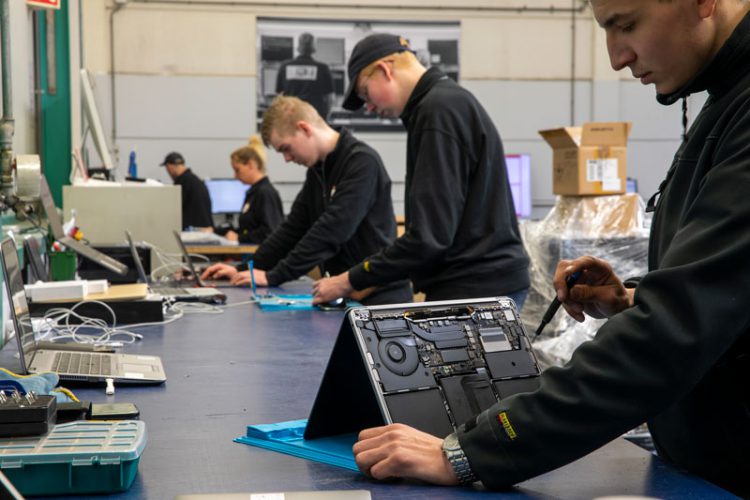
IT hardware reuse at Holland Recycling
Holland Recycling offers a wide range of services for companies that want to sustainably dispose of and reuse their IT hardware. With a focus on environmental friendliness and the circular economy, Holland Recycling ensures that IT equipment gets a second life or, where necessary, is recycled responsibly.
IT hardware buyback for businesses
Holland Recycling offers companies the option of having their IT equipment bought back. For organisations looking to replace old or surplus IT hardware, this is an easy and responsible solution. Devices such as laptops, desktops, servers, network equipment, and mobile devices are bought and then efficiently redeployed or recycled.
This service not only offers companies a financial benefit, but also contributes to:
– Reduction of electronic waste: By reusing or recycling devices, the amount of e-waste is significantly reduced.
– Preservation of valuable materials: Raw materials are recovered or redeployed, contributing to a more sustainable use of natural resources.
Want to know more? Read more about IT hardware buyback here.
Donating IT hardware to the Make-A-Wish Foundation
A unique option offered by Holland Recycling is donating the residual value of IT hardware to the Make-A-Wish Foundation. This volunteer organisation fulfils the dearest wishes of seriously ill children, bringing a positive change to their lives.
By choosing to donate through Holland Recycling, companies can contribute to this wonderful cause while sustainably disposing of their surplus IT equipment.
Want to know more? Read more about IT donation here.
ITAD services: IT Asset Disposition
Holland Recycling offers specialised IT Asset Disposition (ITAD) services for companies. ITAD is a solution for the safe and sustainable disposal of IT equipment that’s no longer in use — from removal and processing to the reuse of IT assets. Holland Recycling offers a complete process for sustainable IT management.
Holland Recycling’s ITAD services include:
– Certified data destruction: All business data is securely wiped, in accordance with applicable laws and regulations.
– Sustainable reuse or processing: Equipment is reused wherever possible, and hardware that can’t be reused is recycled responsibly.
With these services, Holland Recycling offers a safe and efficient solution for companies looking to dispose of their IT equipment without compromising on data security or environmental awareness.
Want to know more? Read more about ITAD here.
Curious what we can do for your company? Feel free to contact us, no obligation.